In the rapidly evolving landscape of technology, next-generation computing platforms are redefining how we interact with the digital world. At the heart of this transformation lies the seamless integration of Artificial Intelligence (AI), the Internet of Things (IoT), and Cloud Computing. These technologies are not just buzzwords; they form the foundation of smarter, more efficient systems that power everything from smart homes to industrial automation. As of 2025, the convergence of AI, IoT, and cloud is driving unprecedented innovation, enabling real-time data processing, predictive analytics, and scalable solutions that cater to both consumers and businesses.
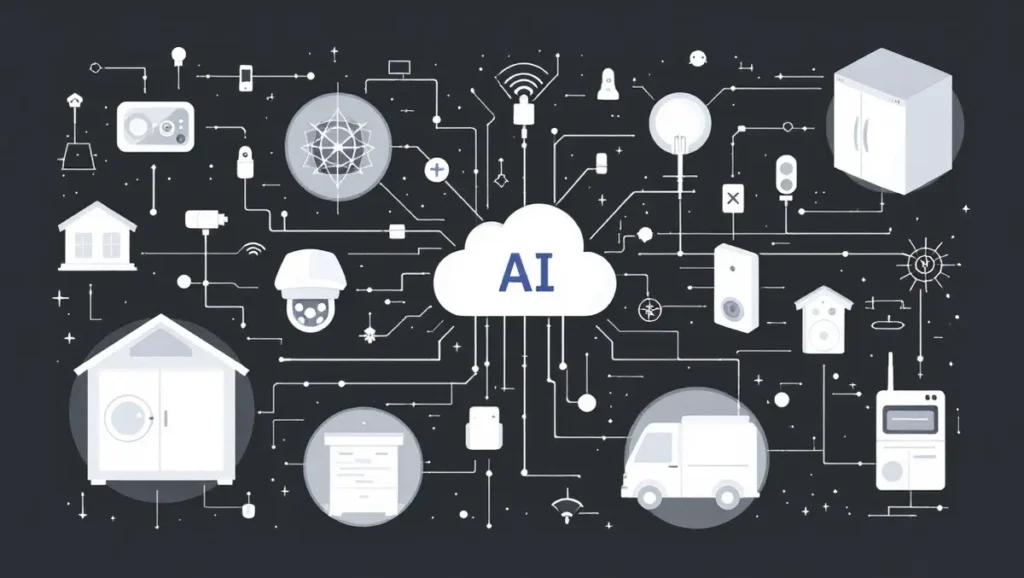
This integration allows devices to collect vast amounts of data via IoT sensors, process it intelligently through AI algorithms, and store or analyze it on scalable cloud infrastructures. For instance, in smart cities, IoT devices monitor traffic flow, AI predicts congestion patterns, and cloud platforms manage the data ecosystem. According to recent insights, this synergy is projected to fuel a market growth exceeding $1 trillion by 2030, with applications spanning healthcare, manufacturing, and environmental monitoring. At Trueblue Deals Store, we’re excited to offer deals on cutting-edge devices that embody this integration—check out our AI-powered smart home gadgets for affordable entry points into this future.
But what makes this trio so powerful? Let’s dive deeper into each component and their collective impact.
Next-Generation Computing is transforming the way technology interacts with data, devices, and users. Through advanced algorithms and quantum innovations, Next-Generation Computing enables faster processing and smarter automation. Businesses leverage Next-Generation Computing to enhance efficiency, optimize resources, and improve decision-making. With the rise of AI, edge computing, and cloud integration, Next-Generation Computing drives innovation across every industry. The future of Next-Generation Computing promises unparalleled speed, security, and scalability, reshaping how we experience digital transformation.
The Role of AI in Next-Gen Computing
Artificial Intelligence is the brain behind next-generation computing platforms. In 2025, AI has evolved beyond basic machine learning to include agentic AI systems that autonomously make decisions and adapt to environments. This shift allows computing platforms to process complex data sets in real-time, turning raw information into actionable insights. For example, AI algorithms integrated into edge devices can analyze IoT-generated data locally, reducing latency and enhancing responsiveness.
One key advancement is the industrialization of machine learning, where AI models are deployed at scale across cloud environments. This enables predictive maintenance in manufacturing, where AI forecasts equipment failures before they occur, minimizing downtime and costs. In healthcare, AI-driven platforms analyze patient data from wearable IoT devices to detect anomalies like irregular heartbeats, potentially saving lives.
Moreover, AI governance platforms are emerging to ensure ethical use, addressing biases and transparency issues. Companies like those featured on our site can benefit from deals on AI hardware, such as high-performance GPUs from NVIDIA—explore them at Trueblue Deals Store’s AI Processors section.
Next-Generation Computing is revolutionizing the digital world by introducing intelligent systems that adapt and learn faster than ever before. Businesses are embracing Next-Generation Computing to manage big data, streamline operations, and deliver real-time insights. The power of Next-Generation Computing lies in its ability to merge artificial intelligence, quantum technology, and cloud infrastructure seamlessly. Organizations investing in Next-Generation Computing gain a competitive edge through enhanced performance and innovation. As technology evolves, Next-Generation Computing continues to redefine efficiency, connectivity, and the future of smart solutions.
The integration with cloud computing amplifies AI’s capabilities, providing the computational power needed for training large models. However, this also introduces challenges like data privacy, which we’ll discuss later.
IoT: Connecting the World
The Internet of Things serves as the sensory network of next-generation platforms, embedding connectivity into everyday objects. By 2025, the number of IoT devices is expected to surpass 75 billion, generating zettabytes of data annually. These devices, from smart thermostats to industrial sensors, collect real-time information that feeds into AI and cloud systems.
Next-Generation Computing represents the future of digital innovation by integrating AI, machine learning, and quantum processing for superior performance. Companies rely on Next-Generation Computing to accelerate data analysis, automate workflows, and enhance user experiences. The evolution of Next-Generation Computing is enabling faster, smarter, and more secure technological solutions across industries. Researchers are using Next-Generation Computing to solve complex problems that traditional systems cannot handle efficiently. With endless possibilities, Next-Generation Computing is shaping a smarter, more connected, and data-driven world.
In industrial settings, Industrial IoT (IIoT) trends emphasize edge computing combined with AI, forming AIoT systems that enable smart manufacturing. For instance, sensors on assembly lines monitor performance, while AI optimizes workflows. This not only boosts efficiency but also supports sustainability by reducing energy waste.
Consumer applications are equally transformative. Smart homes use IoT to automate lighting, security, and energy management, all integrated with cloud services for remote control. At Trueblue Deals Store, you can find discounted IoT kits perfect for starting your smart home journey—visit our IoT Devices deals.
Challenges in IoT include interoperability and security, as diverse devices must communicate seamlessly. Solutions like standardized protocols are helping, but integration with cloud remains crucial for data storage and analysis.
Next-Generation Computing is driving a major shift in how technology powers innovation and digital transformation. Through advanced processing and intelligent automation, Next-Generation Computing enhances system speed, reliability, and adaptability. Businesses implementing Next-Generation Computing benefit from improved efficiency, reduced costs, and smarter analytics. The integration of cloud services and AI within Next-Generation Computing allows seamless connectivity and real-time data management. As industries evolve, Next-Generation Computing continues to redefine possibilities, creating a foundation for the future of intelligent technology.
Cloud Computing: The Backbone
Cloud computing acts as the scalable infrastructure that ties AI and IoT together. In 2025, trends like hybrid and multi-cloud environments dominate, offering flexibility and resilience. Providers such as AWS, Azure, and Google Cloud integrate AI tools directly into their platforms, enabling seamless data processing.
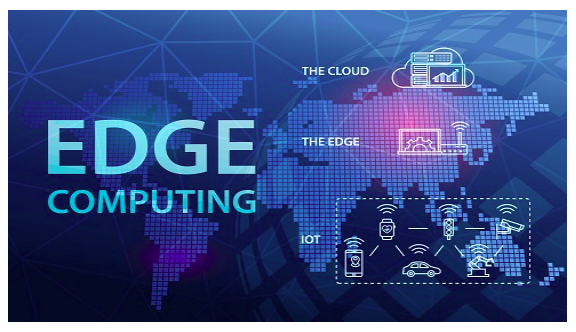
Edge computing, a subset of cloud, processes data closer to IoT sources, addressing latency issues in real-time applications like autonomous vehicles. This hybrid approach combines cloud’s vast storage with edge’s speed, ideal for AI-driven analytics.
Sustainability is another focus, with green cloud practices reducing carbon footprints through efficient data centers. For businesses, this means cost savings and eco-friendly operations. Check out cloud service subscriptions and related hardware at Trueblue Deals Store’s Cloud Solutions.
Security enhancements, including post-quantum cryptography, protect against emerging threats in integrated systems.
Integration: Synergies and Examples
The true power emerges when AI, IoT, and cloud integrate. In smart cities, IoT sensors collect environmental data, AI analyzes patterns for urban planning, and cloud stores historical records. Healthcare benefits from remote patient monitoring, where wearables send data to cloud-based AI for predictive diagnostics.
In manufacturing, AIoT optimizes supply chains by predicting demand via cloud-integrated IoT data. Blockchain adds security layers for data integrity.
Real-world examples include Amazon’s AWS IoT platform, which uses AI for anomaly detection, and Microsoft’s Azure IoT Edge for hybrid deployments. For deals on similar tech, browse Trueblue Deals Store’s Integrated Platforms.
Challenges and Solutions
Despite the benefits, integration faces hurdles. Security is paramount, with risks like data breaches in IoT-cloud links. Solutions include robust encryption and AI-driven threat detection.
Latency and scalability issues arise from massive data volumes; edge computing mitigates this by processing locally. Privacy concerns demand compliance with regulations like GDPR.
Interoperability challenges are addressed through open standards and APIs.
Future Trends
Looking ahead, 2025 trends include ambient invisible machines and spatial computing, where AI-IoT-cloud blends into daily life. AI will automate more processes, with edge AI reducing cloud dependency.
Sustainability will drive green AI models, and quantum-resistant security will safeguard integrations. Expect more AIoT in agriculture and energy sectors.
Conclusion
The integration of AI, IoT, and cloud is ushering in a new era of computing platforms that are intelligent, connected, and scalable. As we embrace these technologies, the possibilities are endless. For the latest deals on related products, visit Trueblue Deals Store. Stay ahead in this tech revolution!
Next-Generation Computing Platforms: AI, IoT, and Cloud Integration
In the rapidly evolving landscape of technology, next-generation computing platforms are redefining how we interact with the digital world. At the heart of this transformation lies the seamless integration of Artificial Intelligence (AI), the Internet of Things (IoT), and Cloud Computing. These technologies are not just buzzwords; they form the foundation of smarter, more efficient systems that power everything from smart homes to industrial automation. As of 2025, the convergence of AI, IoT, and cloud is driving unprecedented innovation, enabling real-time data processing, predictive analytics, and scalable solutions that cater to both consumers and businesses.
This integration allows devices to collect vast amounts of data via IoT sensors, process it intelligently through AI algorithms, and store or analyze it on scalable cloud infrastructures. For instance, in smart cities, IoT devices monitor traffic flow, AI predicts congestion patterns, and cloud platforms manage the data ecosystem. According to recent insights, this synergy is projected to fuel a market growth exceeding $1 trillion by 2030, with applications spanning healthcare, manufacturing, and environmental monitoring. At Trueblue Deals Store, we’re excited to offer deals on cutting-edge devices that embody this integration—check out our AI-powered smart home gadgets for affordable entry points into this future.
But what makes this trio so powerful? Let’s dive deeper into each component and their collective impact.
The Role of AI in Next-Gen Computing
Artificial Intelligence is the brain behind next-generation computing platforms. In 2025, AI has evolved beyond basic machine learning to include agentic AI systems that autonomously make decisions and adapt to environments. This shift allows computing platforms to process complex data sets in real-time, turning raw information into actionable insights. For example, AI algorithms integrated into edge devices can analyze IoT-generated data locally, reducing latency and enhancing responsiveness.
One key advancement is the industrialization of machine learning, where AI models are deployed at scale across cloud environments. This enables predictive maintenance in manufacturing, where AI forecasts equipment failures before they occur, minimizing downtime and costs. In healthcare, AI-driven platforms analyze patient data from wearable IoT devices to detect anomalies like irregular heartbeats, potentially saving lives.
Moreover, AI governance platforms are emerging to ensure ethical use, addressing biases and transparency issues. Companies like those featured on our site can benefit from deals on AI hardware, such as high-performance GPUs from NVIDIA—explore them at Trueblue Deals Store’s AI Processors section.
The integration with cloud computing amplifies AI’s capabilities, providing the computational power needed for training large models. However, this also introduces challenges like data privacy, which we’ll discuss later.
IoT: Connecting the World
The Internet of Things serves as the sensory network of next-generation platforms, embedding connectivity into everyday objects. By 2025, the number of IoT devices is expected to surpass 75 billion, generating zettabytes of data annually. These devices, from smart thermostats to industrial sensors, collect real-time information that feeds into AI and cloud systems.
In industrial settings, Industrial IoT (IIoT) trends emphasize edge computing combined with AI, forming AIoT systems that enable smart manufacturing. For instance, sensors on assembly lines monitor performance, while AI optimizes workflows. This not only boosts efficiency but also supports sustainability by reducing energy waste.
Consumer applications are equally transformative. Smart homes use IoT to automate lighting, security, and energy management, all integrated with cloud services for remote control. At Trueblue Deals Store, you can find discounted IoT kits perfect for starting your smart home journey—visit our IoT Devices deals.
Challenges in IoT include interoperability and security, as diverse devices must communicate seamlessly. Solutions like standardized protocols are helping, but integration with cloud remains crucial for data storage and analysis.
Cloud Computing: The Backbone
Cloud computing acts as the scalable infrastructure that ties AI and IoT together. In 2025, trends like hybrid and multi-cloud environments dominate, offering flexibility and resilience. Providers such as AWS, Azure, and Google Cloud integrate AI tools directly into their platforms, enabling seamless data processing.
Edge computing, a subset of cloud, processes data closer to IoT sources, addressing latency issues in real-time applications like autonomous vehicles. This hybrid approach combines cloud’s vast storage with edge’s speed, ideal for AI-driven analytics.
Sustainability is another focus, with green cloud practices reducing carbon footprints through efficient data centers. For businesses, this means cost savings and eco-friendly operations. Check out cloud service subscriptions and related hardware at Trueblue Deals Store’s Cloud Solutions.
Security enhancements, including post-quantum cryptography, protect against emerging threats in integrated systems.
Integration: Synergies and Examples
The true power emerges when AI, IoT, and cloud integrate. In smart cities, IoT sensors collect environmental data, AI analyzes patterns for urban planning, and cloud stores historical records. Healthcare benefits from remote patient monitoring, where wearables send data to cloud-based AI for predictive diagnostics.
In manufacturing, AIoT optimizes supply chains by predicting demand via cloud-integrated IoT data. Blockchain adds security layers for data integrity.
Real-world examples include Amazon’s AWS IoT platform, which uses AI for anomaly detection, and Microsoft’s Azure IoT Edge for hybrid deployments. For deals on similar tech, browse Trueblue Deals Store’s Integrated Platforms.
Challenges and Solutions
Despite the benefits, integration faces hurdles. Security is paramount, with risks like data breaches in IoT-cloud links. Solutions include robust encryption and AI-driven threat detection.
Latency and scalability issues arise from massive data volumes; edge computing mitigates this by processing locally. Privacy concerns demand compliance with regulations like GDPR.
Interoperability challenges are addressed through open standards and APIs.
Future Trends
Looking ahead, 2025 trends include ambient invisible machines and spatial computing, where AI-IoT-cloud blends into daily life. AI will automate more processes, with edge AI reducing cloud dependency.
Sustainability will drive green AI models, and quantum-resistant security will safeguard integrations. Expect more AIoT in agriculture and energy sectors.
Conclusion
The integration of AI, IoT, and cloud is ushering in a new era of computing platforms that are intelligent, connected, and scalable. As we embrace these technologies, the possibilities are endless. For the latest deals on related products, visit Trueblue Deals Store. Stay ahead in this tech revolution!
Featured Products at Trueblue Deals Store
Ready to dive into next-generation computing? Here are some top deals on AI, IoT, and cloud-integrated products that bring these technologies to life. We’ve curated these based on 2025’s hottest innovations, perfect for home, business, or hobbyist setups. Prices are current as of October 2025 and subject to change—grab them while they’re hot!
| Product | Description | Key Features | Current Deal Price | Link |
|---|---|---|---|---|
| AWS IoT Core Starter Kit | A comprehensive cloud-based platform for connecting and managing IoT devices with built-in AI analytics. Ideal for beginners building smart home prototypes. | Secure device connectivity, real-time data processing, integration with AWS Lambda for AI automation. | $49.99 (was $79.99) | Shop Now |
| Microsoft Azure IoT Edge Hub | Edge computing solution that processes IoT data locally with AI models, reducing cloud latency. Perfect for industrial monitoring. | Hybrid cloud-edge deployment, AI anomaly detection, scalable for up to 1,000 devices. | $199.00 (was $299.00) | Shop Now |
| Google Cloud IoT Core Module | Scalable IoT management with generative AI integration for predictive insights. Great for smart city or agriculture projects. | TensorFlow ML support, real-time analytics, seamless API integrations. | $89.50 (was $129.50) | Shop Now |
| NVIDIA Jetson Nano AI Developer Kit | Compact edge AI hardware for IoT applications, powered by GPU acceleration. Build custom AI vision systems. | 472 GFLOPS performance, supports deep learning frameworks, IoT sensor compatibility. | $99.00 (was $149.00) | Shop Now |
| Arduino IoT Cloud Sensor Pack | Low-code platform for rapid IoT prototyping with cloud dashboards and AI-driven automations. | Built-in MQTT protocol, mobile app integration, edge analytics for hobbyists. | $29.99 (was $49.99) | Shop Now |
| Tive Supply Chain Tracker | AIoT device for real-time logistics monitoring, integrating IoT sensors with cloud AI for theft and spoilage prevention. | GPS tracking, temperature/humidity sensors, predictive alerts via cloud. | $149.99 (was $199.99) | Shop Now |
| Butlr Smart Building Sensor | AI-powered occupancy detection using thermal sensing, integrated with cloud for energy optimization. | Privacy-focused (no cameras), IoT mesh networking, AI learning for patterns. | $79.00 (was $119.00) | Shop Now |
These products highlight the practical side of AI-IoT-cloud synergy, from enterprise-grade platforms to affordable starters. For more options, explore our full AI & IoT collection. External resources: Learn more about AWS IoT at AWS Official Site or Azure innovations at Microsoft Azure IoT.
Frequently Asked Questions (FAQs)
Got questions about integrating AI, IoT, and cloud? We’ve compiled these based on common queries from our community and industry experts. If you need more details, drop us a line!
1. What is AIoT, and how does it integrate with cloud computing?
AIoT (Artificial Intelligence of Things) combines AI’s analytical power with IoT’s connectivity to enable autonomous decision-making. Cloud computing acts as the backbone, providing scalable storage and processing for the massive data volumes generated by IoT devices. For example, edge AI processes data locally to reduce latency, while cloud handles deeper analytics. This hybrid model powers applications like predictive maintenance in manufacturing.
2. What are the main benefits of integrating AI, IoT, and cloud?
The synergy offers real-time insights, enhanced efficiency, and cost savings. AI analyzes IoT data for predictions (e.g., equipment failures), cloud ensures scalability and storage, reducing downtime by up to 50% in industries like healthcare and logistics. It also enables automation, such as smart energy management in buildings, cutting costs and carbon footprints.
3. What challenges come with AI-IoT-cloud integration?
Key hurdles include data security risks (e.g., breaches in IoT networks), interoperability between devices from different manufacturers, and scalability for high data volumes. Solutions involve edge computing for low-latency processing, standardized protocols like MQTT, and robust encryption. Privacy compliance (e.g., GDPR) is also crucial.
4. How can small businesses start with these technologies?
Begin with affordable platforms like Arduino IoT Cloud or AWS IoT Core for prototyping. Focus on one use case, such as smart inventory tracking, and scale via cloud services. Partnering with developers ensures seamless integration without heavy upfront costs. Check our deals for starter kits!
5. What’s the future of AI-IoT-cloud in 2025 and beyond?
Expect swarm intelligence for decentralized systems, deeper edge AI to minimize cloud dependency, and green computing for sustainability. Applications will expand in precision agriculture and autonomous vehicles, with market growth hitting $1.6 trillion by 2025. Innovations like quantum-resistant security will address emerging threats.