In the fast-evolving world of finance, 2025 promises to be a pivotal year for financial technology (FinTech). As we move deeper into the digital age, consumers and businesses alike are demanding seamless, secure, and personalized financial experiences. From the integration of artificial intelligence to the mainstream adoption of digital assets, FinTech is not just transforming how we bank but redefining the very foundations of global economies. According to recent analyses, the global FinTech market is projected to surpass $500 billion in value by the end of 2025, driven by innovations that bridge traditional banking with cutting-edge tech.
Financial Technology is transforming the global economy by introducing smarter, faster, and more secure digital solutions. Financial Technology empowers businesses and consumers to manage money, make payments, and access banking services with greater ease. With Financial Technology, traditional financial systems are evolving through innovations like mobile banking, blockchain, and AI-driven analytics. Financial Technology enhances transparency, improves efficiency, and bridges the gap between financial institutions and customers. The rise of Financial Technology has revolutionized how people invest, save, and transact in a connected digital world. By leveraging Financial Technology, companies can streamline operations and deliver personalized financial experiences. In today’s digital era, Financial Technology is not just a trend but a driving force behind the modernization of global finance.
At Trueblue Deals, we’re passionate about helping you navigate these changes with exclusive deals on FinTech tools and services. Whether you’re a small business owner exploring embedded finance solutions or an individual investor eyeing crypto wallets, our platform connects you to the best offers. In this article, we’ll dive into the top seven FinTech trends shaping 2025, exploring their implications, real-world examples, and how they can empower your financial future. Buckle up—these trends aren’t just buzzwords; they’re the blueprint for tomorrow’s wealth management.
Financial Technology is redefining the way people interact with money by merging finance with innovation. Financial Technology allows users to access banking, payments, and investment services instantly through digital platforms. Businesses use Financial Technology to automate transactions, enhance security, and analyze data for smarter decision-making. Through Financial Technology, consumers experience faster and more convenient ways to manage personal finances. Financial Technology promotes financial inclusion by bringing modern services to underserved communities. With Financial Technology, the boundaries between traditional banking and digital finance continue to blur. Ultimately, Financial Technology is shaping a smarter, more efficient, and connected financial future.
1. AI and Machine Learning: The Brain Behind Personalized Finance
Artificial Intelligence (AI) and Machine Learning (ML) are no longer futuristic concepts in FinTech—they’re operational necessities. In 2025, AI will evolve from backend automation to front-facing personalization, predicting user needs with uncanny accuracy. Imagine your banking app not just alerting you to low balances but proactively suggesting micro-investments tailored to your spending habits, all powered by ML algorithms analyzing real-time data.
This trend is fueled by a surge in AI adoption, with nearly 90% of financial institutions integrating it for fraud detection and customer service alone. Banks like JPMorgan Chase and Citi are leading the charge, deploying AI chatbots that handle complex queries 24/7, reducing operational costs by up to 30%. But the real game-changer is behavioral AI: systems that learn from user interactions to offer hyper-personalized advice, such as customized loan terms based on lifestyle data.
For consumers, this means greater financial inclusion—AI can democratize access to advice traditionally reserved for high-net-worth individuals. However, challenges like data privacy and AI bias must be addressed through ethical frameworks. Looking ahead, expect AI to integrate with augmented reality for immersive financial planning sessions.
Financial Technology is driving a new era of innovation in the global financial ecosystem. Financial Technology integrates digital tools and data analytics to enhance banking, investing, and payment solutions. With Financial Technology, individuals and organizations can access seamless, secure, and efficient financial services. Financial Technology empowers startups and established institutions to offer personalized and real-time financial experiences. The growth of Financial Technology has made it easier for people to save, borrow, and invest through user-friendly digital platforms. Financial Technology continues to break traditional barriers, fostering financial inclusion and transparency. As digital transformation accelerates, Financial Technology stands at the core of the modern financial revolution.
At Trueblue Deals, snag discounts on AI-powered budgeting apps like Mint or YNAB to experience this trend firsthand. Businesses can leverage our enterprise AI solutions deals to stay competitive.
2. Stablecoins and Digital Assets: Bridging Crypto and Mainstream Finance
Stablecoins—cryptocurrencies pegged to fiat currencies like the USD—are set to explode in 2025, with transaction volumes already hitting $2.5 trillion annually. This trend marks the shift from speculative crypto trading to practical utility, enabling faster, cheaper cross-border payments and remittances. Tether (USDT) and USDC are at the forefront, with projections for stablecoin market cap exceeding $300 billion by year-end.
Financial Technology is revolutionizing the way financial services are delivered and experienced worldwide. Financial Technology combines innovation, data, and automation to make banking and investing faster and more efficient. With Financial Technology, users can transfer funds, manage accounts, and make investments instantly from their devices. Financial Technology helps financial institutions reduce costs while improving customer satisfaction and security. Businesses rely on Financial Technology to streamline operations and offer advanced digital payment systems. Financial Technology supports economic growth by making financial tools accessible to everyone, regardless of location. As the digital economy expands, Financial Technology continues to reshape the future of global finance.
Regulatory clarity is the catalyst: The U.S. is expected to pass comprehensive crypto legislation, integrating stablecoins into traditional banking rails. Companies like PayPal and Visa are embedding stablecoin support into their platforms, allowing seamless conversions between digital and fiat money. For emerging markets, this means remittances that arrive in seconds rather than days, slashing fees from 6% to under 1%.
Yet, volatility risks and environmental concerns from proof-of-work mining persist. Enter green stablecoins, backed by sustainable assets. Investors should watch for tokenized real-world assets (RWAs), where stablecoins represent fractions of property or stocks, democratizing high-value investments.
For the latest on crypto, check out our stablecoin wallet deals at Trueblue. And for deeper insights, explore Forbes’ 2025 FinTech 50 to see leading players.
3. Embedded Finance: Finance Anywhere, Anytime
Embedded finance—the integration of financial services into non-financial platforms—is transforming e-commerce, ride-sharing, and even social media into banking hubs. By 2025, it’s forecasted to generate $230 billion in revenue globally, up 40% from 2024. Think Shopify merchants offering instant loans at checkout or Uber drivers accessing payroll advances via the app.
This B2B2X model thrives on APIs, allowing seamless data sharing between platforms. Stripe and Adyen are powering this shift, enabling “invisible” banking where finance feels like a natural extension of the user experience. For small businesses, it levels the playing field—access to credit without traditional underwriting hurdles.
Challenges include interoperability and security, but open banking regulations like PSD3 in Europe are accelerating adoption. In the U.S., partnerships between Big Tech and banks (e.g., Apple Card via Goldman Sachs) exemplify this.
Ready to embed finance in your operations? Visit Trueblue’s embedded finance deals for tools from Plaid and Affirm. Learn more about B2B innovations via BCG’s report.
4. Advanced Fraud Prevention and Cybersecurity
With fraud losses climbing to $12.5 billion in 2024—a 25% YoY increase—2025’s FinTech landscape will prioritize ironclad cybersecurity. AI-driven threats like deepfakes and synthetic identities are evolving, but so are defenses: behavioral biometrics, which analyze typing patterns and device usage, will become standard, reducing false positives by 55%.
RegTech solutions, powered by ML, automate compliance checks, while zero-trust architectures ensure no blind spots. Firms like Mastercard are investing heavily, with AI fraud detection markets growing to $15.64 billion. For consumers, this translates to frictionless authentication via facial recognition or voice biometrics.
The flip side? Over-reliance on tech could alienate users if not user-friendly. Balanced with human oversight, though, it promises a safer ecosystem.
Protect your assets with our cybersecurity tool deals, including VPNs and identity theft protection. For expert advice, see Lloyds Banking Group’s 2025 insights.
5. Alternative Credit Scoring for Financial Inclusion
Traditional credit scores exclude 49 million Americans, but 2025 will see alternative models—using cash flow, utility payments, and gig economy data—unlock access for the underbanked. Open banking APIs enable this, allowing lenders to assess “thin-file” applicants in real-time.
Platforms like Upstart and Petal are pioneers, approving 27% more loans with lower default rates. In developing regions, this could boost GDP by 3-4% through increased lending. BNPL services like Klarna will integrate these scores, making “buy now, pay later” more inclusive.
Ethical concerns around data usage loom, necessitating transparent algorithms. Still, the impact on inclusion is profound.
Discover inclusive lending options via Trueblue’s credit deals. Dive deeper with Plaid’s trend analysis.
6. Real-Time Payments and Pay-by-Bank Adoption
Pay-by-bank and instant payment rails like FedNow and RTP are surging, with volumes up 94% in 2024. By 2025, 67% of consumers will embrace direct bank transfers over cards, cutting fees and speeding transactions to seconds.
This trend empowers P2P and B2B payments, with 184 million U.S. users projected by 2026. FinTechs like Venmo are evolving into full payment ecosystems.
Frictionless experiences will drive loyalty, but scalability remains key.
Shop our payment gateway deals for seamless integration.
7. Personalization and Micro-Segmentation
Hyper-personalization via AI will define customer engagement, with 81% of Gen Z craving tailored services. Micro-segmentation divides audiences into niches for bespoke offers, boosting retention by 20%.
Banks like Nubank use this for dynamic pricing on products. Privacy regs like GDPR 2.0 will guide ethical use.
Elevate your experience with personal finance app deals.
Conclusion: Navigating FinTech’s Future
2025’s FinTech trends—AI personalization, stablecoins, embedded finance, cybersecurity, alternative scoring, real-time payments, and micro-segmentation—signal a more inclusive, efficient financial world. As these converge, expect hybrid models blending human and machine intelligence.
Stay ahead with Trueblue Deals—your one-stop for savings on tomorrow’s tools. What trend excites you most? Share in the comments or subscribe for updates.
For a broader view, explore KPMG’s H2 2025 trends.

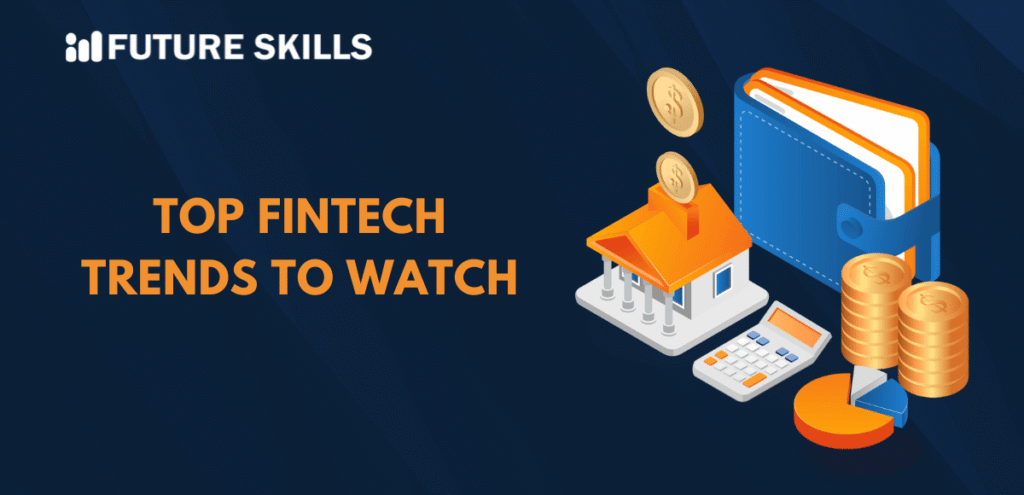
Top Financial Technology Trends to Watch in 2025
In the fast-evolving world of finance, 2025 promises to be a pivotal year for financial technology (FinTech). As we move deeper into the digital age, consumers and businesses alike are demanding seamless, secure, and personalized financial experiences. From the integration of artificial intelligence to the mainstream adoption of digital assets, FinTech is not just transforming how we bank but redefining the very foundations of global economies. According to recent analyses, the global FinTech market is projected to surpass $500 billion in value by the end of 2025, driven by innovations that bridge traditional banking with cutting-edge tech.
At Trueblue Deals, we’re passionate about helping you navigate these changes with exclusive deals on FinTech tools and services. Whether you’re a small business owner exploring embedded finance solutions or an individual investor eyeing crypto wallets, our platform connects you to the best offers. In this article, we’ll dive into the top seven FinTech trends shaping 2025, exploring their implications, real-world examples, and how they can empower your financial future. Buckle up—these trends aren’t just buzzwords; they’re the blueprint for tomorrow’s wealth management.
1. AI and Machine Learning: The Brain Behind Personalized Finance
Artificial Intelligence (AI) and Machine Learning (ML) are no longer futuristic concepts in FinTech—they’re operational necessities. In 2025, AI will evolve from backend automation to front-facing personalization, predicting user needs with uncanny accuracy. Imagine your banking app not just alerting you to low balances but proactively suggesting micro-investments tailored to your spending habits, all powered by ML algorithms analyzing real-time data.
This trend is fueled by a surge in AI adoption, with nearly 90% of financial institutions integrating it for fraud detection and customer service alone. Banks like JPMorgan Chase and Citi are leading the charge, deploying AI chatbots that handle complex queries 24/7, reducing operational costs by up to 30%. But the real game-changer is behavioral AI: systems that learn from user interactions to offer hyper-personalized advice, such as customized loan terms based on lifestyle data.
For consumers, this means greater financial inclusion—AI can democratize access to advice traditionally reserved for high-net-worth individuals. However, challenges like data privacy and AI bias must be addressed through ethical frameworks. Looking ahead, expect AI to integrate with augmented reality for immersive financial planning sessions.
At Trueblue Deals, snag discounts on AI-powered budgeting apps like Mint or YNAB to experience this trend firsthand. Businesses can leverage our enterprise AI solutions deals to stay competitive.
2. Stablecoins and Digital Assets: Bridging Crypto and Mainstream Finance
Stablecoins—cryptocurrencies pegged to fiat currencies like the USD—are set to explode in 2025, with transaction volumes already hitting $2.5 trillion annually. This trend marks the shift from speculative crypto trading to practical utility, enabling faster, cheaper cross-border payments and remittances. Tether (USDT) and USDC are at the forefront, with projections for stablecoin market cap exceeding $300 billion by year-end.
Regulatory clarity is the catalyst: The U.S. is expected to pass comprehensive crypto legislation, integrating stablecoins into traditional banking rails. Companies like PayPal and Visa are embedding stablecoin support into their platforms, allowing seamless conversions between digital and fiat money. For emerging markets, this means remittances that arrive in seconds rather than days, slashing fees from 6% to under 1%.
Yet, volatility risks and environmental concerns from proof-of-work mining persist. Enter green stablecoins, backed by sustainable assets. Investors should watch for tokenized real-world assets (RWAs), where stablecoins represent fractions of property or stocks, democratizing high-value investments.
For the latest on crypto, check out our stablecoin wallet deals at Trueblue. And for deeper insights, explore Forbes’ 2025 FinTech 50 to see leading players.
3. Embedded Finance: Finance Anywhere, Anytime
Embedded finance—the integration of financial services into non-financial platforms—is transforming e-commerce, ride-sharing, and even social media into banking hubs. By 2025, it’s forecasted to generate $230 billion in revenue globally, up 40% from 2024. Think Shopify merchants offering instant loans at checkout or Uber drivers accessing payroll advances via the app.
This B2B2X model thrives on APIs, allowing seamless data sharing between platforms. Stripe and Adyen are powering this shift, enabling “invisible” banking where finance feels like a natural extension of the user experience. For small businesses, it levels the playing field—access to credit without traditional underwriting hurdles.
Challenges include interoperability and security, but open banking regulations like PSD3 in Europe are accelerating adoption. In the U.S., partnerships between Big Tech and banks (e.g., Apple Card via Goldman Sachs) exemplify this.
Ready to embed finance in your operations? Visit Trueblue’s embedded finance deals for tools from Plaid and Affirm. Learn more about B2B innovations via BCG’s report.
4. Advanced Fraud Prevention and Cybersecurity
With fraud losses climbing to $12.5 billion in 2024—a 25% YoY increase—2025’s FinTech landscape will prioritize ironclad cybersecurity. AI-driven threats like deepfakes and synthetic identities are evolving, but so are defenses: behavioral biometrics, which analyze typing patterns and device usage, will become standard, reducing false positives by 55%.
RegTech solutions, powered by ML, automate compliance checks, while zero-trust architectures ensure no blind spots. Firms like Mastercard are investing heavily, with AI fraud detection markets growing to $15.64 billion. For consumers, this translates to frictionless authentication via facial recognition or voice biometrics.
The flip side? Over-reliance on tech could alienate users if not user-friendly. Balanced with human oversight, though, it promises a safer ecosystem.
Protect your assets with our cybersecurity tool deals, including VPNs and identity theft protection. For expert advice, see Lloyds Banking Group’s 2025 insights.
5. Alternative Credit Scoring for Financial Inclusion
Traditional credit scores exclude 49 million Americans, but 2025 will see alternative models—using cash flow, utility payments, and gig economy data—unlock access for the underbanked. Open banking APIs enable this, allowing lenders to assess “thin-file” applicants in real-time.
Platforms like Upstart and Petal are pioneers, approving 27% more loans with lower default rates. In developing regions, this could boost GDP by 3-4% through increased lending. BNPL services like Klarna will integrate these scores, making “buy now, pay later” more inclusive.
Ethical concerns around data usage loom, necessitating transparent algorithms. Still, the impact on inclusion is profound.
Discover inclusive lending options via Trueblue’s credit deals. Dive deeper with Plaid’s trend analysis.
(Word count so far: 1122; Section: 140)
6. Real-Time Payments and Pay-by-Bank Adoption
Pay-by-bank and instant payment rails like FedNow and RTP are surging, with volumes up 94% in 2024. By 2025, 67% of consumers will embrace direct bank transfers over cards, cutting fees and speeding transactions to seconds.
This trend empowers P2P and B2B payments, with 184 million U.S. users projected by 2026. FinTechs like Venmo are evolving into full payment ecosystems.
Frictionless experiences will drive loyalty, but scalability remains key.
Shop our payment gateway deals for seamless integration.
7. Personalization and Micro-Segmentation
Hyper-personalization via AI will define customer engagement, with 81% of Gen Z craving tailored services. Micro-segmentation divides audiences into niches for bespoke offers, boosting retention by 20%.
Banks like Nubank use this for dynamic pricing on products. Privacy regs like GDPR 2.0 will guide ethical use.
Elevate your experience with personal finance app deals.
Conclusion: Navigating FinTech’s Future
2025’s FinTech trends—AI personalization, stablecoins, embedded finance, cybersecurity, alternative scoring, real-time payments, and micro-segmentation—signal a more inclusive, efficient financial world. As these converge, expect hybrid models blending human and machine intelligence.
Stay ahead with Trueblue Deals—your one-stop for savings on tomorrow’s tools. What trend excites you most? Share in the comments or subscribe for updates.
For a broader view, explore KPMG’s H2 2025 trends.
Recommended FinTech Products for 2025
As FinTech trends accelerate, the right products can give you a competitive edge. Based on the latest rankings from sources like Forbes’ 2025 FinTech 50 and CNBC’s global top companies, here are standout products aligned with our key trends. At Trueblue Deals, we’ve curated exclusive discounts to help you adopt them affordably:
- Socure Identity Verification (AI & Cybersecurity): This AI-powered platform verifies identities in real-time, slashing fraud by up to 90%. Ideal for banks and fintechs combating synthetic identities. Get 20% off at Trueblue – partners with 18 of the top 20 U.S. banks.
- Ramp Corporate Card (Embedded Finance & Real-Time Payments): A spend management tool with AI-driven insights and instant reimbursements. Perfect for businesses embedding finance into operations. Exclusive bundle deal – accelerating AI features in 2025.
- Upstart Lending Platform (Alternative Credit Scoring): Uses ML to approve 27% more loans with lower defaults, promoting inclusion for gig workers. Save on API access.
- Bilt Rewards App (Personalization & Digital Assets): Earn points on rent without fees, with crypto integration options. A game-changer for urban dwellers. Download with bonus credits.
- DailyPay Earned Wage Access (Real-Time Payments): Employees access wages on-demand, reducing turnover by 50%. Trusted by Target and Hilton. Employer plan discount.
- Plaid Open Banking API (Embedded Finance & Inclusion): Connects apps to bank data for seamless scoring and payments. Starter kit offer.
- Stripe Stablecoin Toolkit (Digital Assets): Build crypto payments into your platform with low fees. Developer credits.
These products are topping 2025 app download charts and innovation lists, making them essential for staying ahead. Browse all FinTech deals for more.
FAQs: Demystifying 2025 FinTech Trends
Got questions about the future of finance? We’ve compiled common queries based on industry reports and expert analyses to help you prepare.
Q: How will AI impact everyday banking in 2025?
A: AI will power hyper-personalized services, like predictive budgeting and voice-activated advisors, but expect stricter regulations on bias and privacy under CFPB guidelines. Start with tools like those in our AI deals section.
Q: Are stablecoins safe for mainstream use now?
A: With U.S. crypto bills expected by mid-2025, yes—backed stablecoins like USDC reduce volatility. They’re ideal for remittances, but diversify to mitigate risks. Check crypto wallet deals.
Q: What does embedded finance mean for small businesses?
A: It allows you to offer loans or payments directly in your app or site via APIs, boosting revenue by 30% without a banking license. Explore embedded tools.
Q: How can I protect against rising cyber threats?
A: Adopt behavioral biometrics and RegTech for compliance. Fraud losses hit $12.5B in 2024, but AI defenses cut them by 55%. Secure yours with security deals.
Q: Will alternative credit scoring help if I have poor credit?
A: Absolutely—it uses utility and gig data to approve 27% more applicants, fostering inclusion for 49M underbanked Americans. Try credit products.
Q: What’s the outlook for real-time payments?
A: Adoption hits 67% by year-end, with FedNow enabling seconds-fast transfers and fee savings. Upgrade via payment gateways.
Q: How do regulations affect these trends?
A: Expect DORA in the EU and CFPB Rule 1033 in the U.S. for open finance, plus crypto reforms—balancing innovation with consumer protection.

For more, visit our FinTech FAQ hub.